How to Avoid Seasickness - What Works Best!
How to Avoid Seasickness While Sailing, Boating, in the Car or at Sea Base
Going on a boating trip, a trip to Florida Sea Base or anything on the water, or a long car ride? Sailing through the crystal-clear waters, snorkeling coral reefs, and living aboard a sailboat for a week creates memories that last forever, unless you spend it puking over the side of the boat! Even experienced sailors occasionally get seasick in rough conditions. It is extremely common and nothing to be embarrassed about. Here's what actually works to avoid that!
Also, be sure to see
- UNofficial official Sea Base page with loads more information about Sea Base.
-
Merit badge requirements you can complete while on a Sea Base Adventure!
Start Preparing Before the Trip
Get Plenty of Sleep
One of the biggest contributors to seasickness is being tired. A well-rested body handles motion much better than an exhausted one.
Before departure day:
-
Get a full night of sleep
-
Avoid staying up late from excitement
-
Stay hydrated during travel
Many Sea Base crews travel long distances before boarding the boat. Fatigue from flights or road trips can make seasickness more likely on the first day.
Stay Hydrated
The Florida sun and salty air can dry you out quickly. Dehydration can make nausea significantly worse.
Before and during your trip:
- Drink water regularly
- Avoid excessive soda or energy drinks
- Limit caffeine if it dehydrates you
-
Replenish fluids after snorkeling or swimming. This one is really important in hot climates!
Avoid Heavy or Greasy Meals
A giant fast-food meal before boarding the boat is usually a mistake.
Instead:
- Eat lighter meals
- Choose simple foods
- Avoid greasy, spicy, or overly rich foods
-
Don’t board the boat with an empty stomach either
A moderately full stomach usually feels best.
Most Effective Seasickness Medications
Dramamine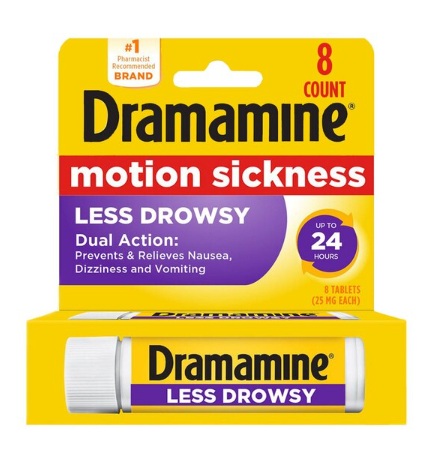
Dramamine is a well-known motion sickness over the counter (OTC) medication for both sea sickness and automobile and other motion sickness.
Pros:
- Widely available
- Effective for many people
-
Inexpensive
Cons:
- Can cause drowsiness. They DO have a less-drowsy formula Dramamine as well - so read the package.
-
Some people feel groggy
Many experienced sailors recommend taking it hours BEFORE symptoms start rather than waiting until you already feel sick.
Bonine (Meclizine)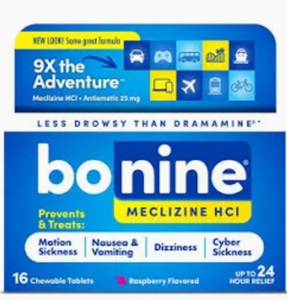
Bonine is another popular choice. Personally, I think tit is more effective, with fewer side effects than Dramamine.
Pros:
- Usually less drowsy than Dramamine
- Often lasts longer
-
Chewable tablets are convenient
Many Sea Base participants have reported they prefer Bonine for multi-day sailing trips.
Scopolamine Patches
Scopolamine prescription patches are often considered the strongest prevention option for those who already know in advance that they are prone to severe sea sickness.
Pros:
- Very effective for many people
- Lasts several days
-
Convenient once applied
Cons:
- Requires a prescription
-
Can have side effects such as dry mouth or blurry vision
If you know you are highly prone to motion sickness, talk with your doctor before the trip.
Natural Remedies That Sometimes Help
Some sailors prefer natural approaches or combine them with medication. I suspect they are most effective for mild cases. Here they are:
- Ginger chews or ginger candy - ginger is well-established to help with upset stomachs
- Ginger ale
- Peppermint
-
Acupressure wristbands
Results, obviously, vary from person to person, but there are consistent reports that ginger is especially helpful.
What To Do While Sailing
Sea sickness can be made better or worse by what you do and where you focus your eyes. Think back to the old Bugs Bunny cartoons!
Look at the Horizon
One of the best ways to reduce seasickness is to keep your eyes on the horizon. This helps your brain match what your inner ear is feeling.
Avoid:
-
Looking down inside the cabin for long periods
-
Reading while the ship or car is moving, even when anchored, unless the water is very calm!
-
Looking at any screens, such as the phone or video games
-
It is worse BELOW deck
Stay Above Deck
Fresh air helps tremendously.
If you start feeling queasy:
- Go outside
- Sit where you can see the horizon
- Avoid enclosed cabin spaces
- Take slow, steady breaths
Below deck is where motion usually feels the strongest.
Keep Busy
Ironically, many people feel worse when they sit around, worrying about seasickness. Focussing your attention on something else helps.
So, get busy:
- Raising sails
- Steering
- Watching for navigation markers
-
Cleaning gear
Staying engaged helps your body adapt to the boat’s movement.
The Good News: Most People Adjust Quickly
If you read accounts from those who have been on boating trips, like Sea Base, they almost all say that many people only feel seasick for the first several hours or first day. The human body often adapts to the motion surprisingly fast.
After a day at sea, many discover they feel completely normal onboard.
 Tips Specifically for Scouts at Sea Base
For younger participants:
-
Start motion sickness medicine the night BEFORE boarding
-
Bring approved medication in original packaging
-
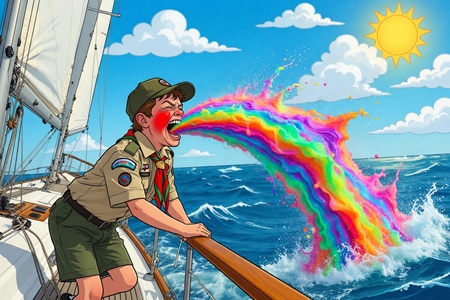
Eat breakfast even if you are nervous. Try colorful foods, so if you do get sick, it will attract more fish! (ok, that last part was joking!)
-
Stay on deck early in the trip
Trying to “tough it out” silently often makes things worse.
Required Sea Base Medication Forms
The BSA Prescription Medication Dosing Form (click at left, then see your downloads folder) must be filled out with permission to administer Dramamine, Bonine, Meclizine, and anti-histamine on an as needed basis from the parents of any Scouts who want their child to have that available while at Sea Base.
Additionally, the form must be filled out to include any prescription medications (or other over-the-counter medicines) that need to be administered during the trip. Medications should be provided in the smallest possible clearly labeled bag or container. All medications will be transported in a small waterproof case, safeguarded, and administered by one of the adult advisors on each boat.
Please print and fill out the form and have your scout bring the completed form along with the proper amount of prescription or over the counter medications listed on the form to the meetup point prior to departure.
IMPORTANT: If the trip leaders do not receive both the completed form and the medication(s) from parents prior to departure, they will not be able to dispense medication to your scout.
More Information: What Causes Seasickness?
Seasickness happens when your inner ear senses motion that your eyes and brain do not fully agree with. On a sailboat, the constant rocking and rolling can confuse your balance system and lead to symptoms like:
- Nausea
- Dizziness
- Headaches
- Fatigue
- Sweating
-
Loss of appetite
Some people are more sensitive than others, but almost everyone can improve their chances by following the advice above.
Sea Base Islamorada guides
Sea Base Brinton BEC guides
St Thomas / Bahamas guides
Popular pages and gear
- Packing checklist and calculator
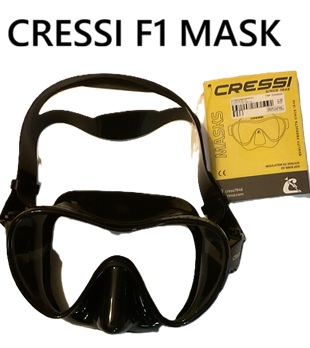
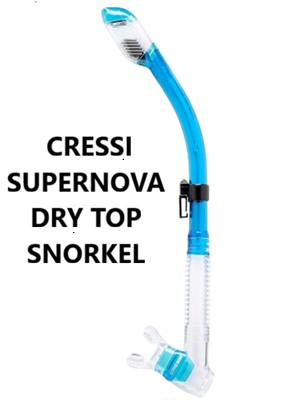
- Selecting snorkels and masks
- Guide to underwater cameras
- Duffle bag choices
- Sleeping liners, mats, etc
- Reef-safe sunscreens: Blue Lizard or Banana Boat
- Self-inflating foam mat
- Sea Base forms and documents
Sea Base Info
- Sea Base trip tips
- Sea Base FAQs
- Awards Scouts Can Get At Sea Base
- Guide to custom crew shirts
- Merit badges at Sea Base
- Sailing and Boating Terms
- Best snorkeling locations
- Fishing: fish identifer
- Dorms at Islamorada
- Things to do before/after Sea Base
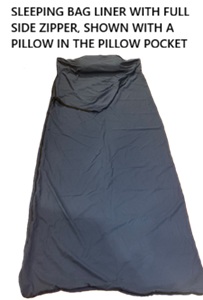 Sleeping bag insert / liner
(with zipper and pillow pocket)
to use instead of a sleeping bag in hot climates
Sleeping bag insert / liner
(with zipper and pillow pocket)
to use instead of a sleeping bag in hot climates
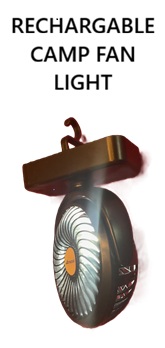 Portable Camping LED Light and Fan, 40hrs Rechargeable,
stands or hangs in tent/ ground.
Portable Camping LED Light and Fan, 40hrs Rechargeable,
stands or hangs in tent/ ground.
 Self-inflating foam mat,
Folding Foam Pads,
Therm-a-Rest,
or
Klymit Static V
Self-inflating foam mat,
Folding Foam Pads,
Therm-a-Rest,
or
Klymit Static V
 Towels - Fast
Drying Lightweight Microfiber Travel Towels
Towels - Fast
Drying Lightweight Microfiber Travel Towels
 Portable Power Bank 50,000 mah, Ultra-High Capacity Battery Pack,2 USB Output High Speed Charging Power bank
 Headlamp - 1200 Lumen Super Bright, Rechargeable, Motion Sensor, 2-Pack, Waterproof w White Red Light in 8 Modes
 Camping mattress -
Super-comfortable, mattress, with Pillow, Thick 6 Inch Ultralight Sleeping Pad with Built-in Pump
Camping mattress -
Super-comfortable, mattress, with Pillow, Thick 6 Inch Ultralight Sleeping Pad with Built-in Pump